After Croptober, most rooms are empty for at least a few days, and the list of things to fix before the next cycle is as long as it will be all year. If that list includes lights, a dehumidifier or a controller, the utility may pay for part of it. The catch is the order of operations: most of the programs below want to see the project before you buy, and several reset their budgets and rules at the turn of the year.
This is a working guide to cannabis utility rebates in the Southeast — what the major utilities in Florida, Georgia, the Carolinas and Virginia actually offer business customers right now, what kind of grow-room equipment tends to fit, and where the cannabis question gets complicated. We’ve left out dollar amounts on purpose: they change often, so plan around the utility’s current page.
Prescriptive vs. custom: the two ways utilities pay
Most commercial efficiency programs in the region pay in one of two ways.
- Prescriptive. A fixed incentive per unit — per fixture, per ton, per horsepower — for equipment on a published list. Paperwork is light, and the equipment has to match the list exactly.
- Custom. An incentive based on the energy (kWh) or peak demand (kW) the project saves against a baseline, calculated for your facility. More engineering and more review, but it covers equipment the prescriptive list doesn’t, like process dehumidification, controls or large lighting retrofits.
Grow rooms often end up on the custom side. Indoor horticulture runs long hours under heavy cooling load, which makes for large, measurable savings. But many prescriptive lists were written for offices and retail space. If you’re going custom, budget time: the utility has to review the savings calculation before it can make an offer.
What typically qualifies
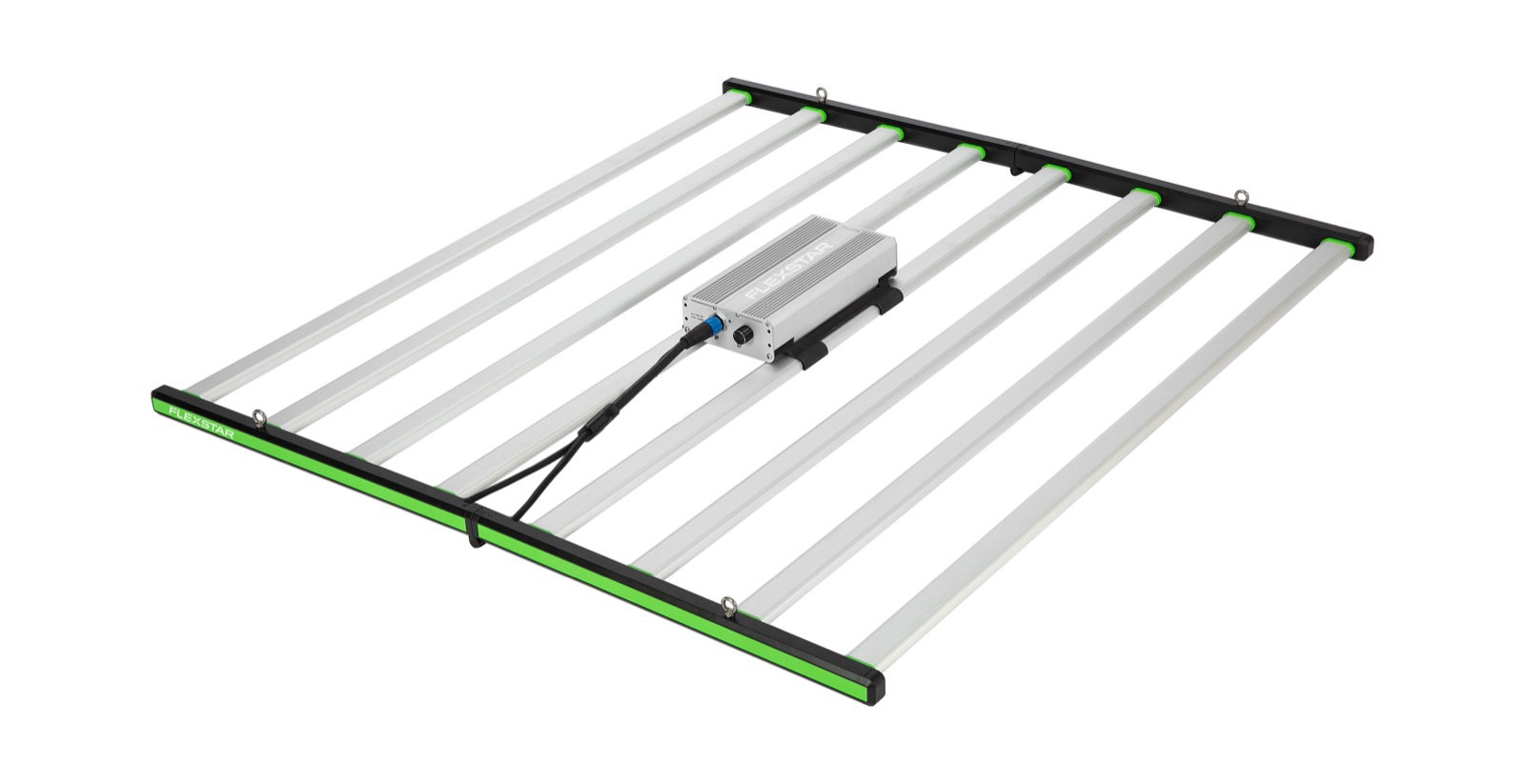
- LED fixtures replacing HPS or older LED, usually with a DesignLights Consortium (DLC) listing required.
- HVAC and dehumidification that beats code-minimum efficiency. These are typically prescriptive where a category exists and custom where it doesn’t.
- Variable frequency drives (VFDs) on fans, pumps and air handlers. Drives show up on agricultural measure lists in Georgia, South Carolina and Virginia.
- Controls — lighting controls, building automation and energy management systems. Usually custom.
Southeast utility programs at a glance
Everything below was checked against each utility’s own program page in October 2026. Terms and funding change, so confirm before you buy.
| State | Utility | Program | What it covers for growers | Link |
|---|---|---|---|---|
| FL | FPL | Business Lighting; Custom Incentives | Per-fixture rebate for indoor LED high/mid/low bay fixtures in existing buildings. Lights must run weekdays 3–6 p.m., June–September, and there’s no horticulture category. Custom: projects that cut at least 25 kW of summer peak demand, approved before you proceed. | Lighting · Custom |
| FL | Duke Energy Florida | Smart $aver | HVAC equipment and HVAC-related improvements, building envelope and custom incentives, plus a free Business Energy Check. The Florida page has no prescriptive horticultural lighting line. | Smart $aver FL |
| FL | Tampa Electric | Custom Energy Efficiency; Lighting; VFD & Motor Controls | Custom rebate based on peak-demand reduction, verified after 90 days of operation. You must receive a pre-qualification certificate before buying any equipment. | Custom |
| FL | OUC (municipal, Orlando) | Commercial & Industrial Incentive Program | Per-kW incentive for indoor LED. HVAC and process improvements are paid on kW plus first-year kWh savings. Request an applicant number before work starts. | C&I Incentives |
| GA | Georgia Power | Commercial Energy Efficiency Program (2026–2028) | Prescriptive lighting, HVAC, VFDs and controls, plus a custom track. The Agriculture category is custom, paid per kWh, and requires a commercial agricultural rate. Preapproval is recommended, not required, and preapproval letters for existing buildings are valid for 120 days. | CEEP |
| NC / SC | Duke Energy | Smart $aver Prescriptive; Smart $aver Custom | Per-fixture line items for non-stacked indoor horticulture LED and supplemented greenhouse LED, banded by wattage. Custom: Duke sends a preliminary offer before installation, and you have up to a year to complete the project. | Rebate table · Custom |
| SC | Dominion Energy South Carolina | Agricultural Energy Efficiency Incentives | Horticultural LED replacing 1,000 W HPS, plus VFD fans and pumps, paid per kWh saved. Written pre-approval is required before equipment is ordered, purchased or installed. | Ag incentives |
| SC | Santee Cooper | EmpowerBusiness | Prescriptive rebates including certified retrofit LED (DLC or ENERGY STAR) and lighting controls. Retrofit lighting projects must be pre-approved through a pre-inspection. | EmpowerBusiness |
| VA | Dominion Energy Virginia | Agriculture Program; Commercial Lighting Systems & Controls | The agriculture program covers greenhouse ventilation fan VFDs, circulation fans and similar measures, with no horticultural lighting line. The lighting program covers LED and controls. Both require an initial assessment before work starts to reserve funding. | Ag · Lighting |
| VA | Appalachian Power | Business Energy Solutions (Take Charge VA) | Lighting, including high and low bay luminaires and controls. Non-lighting measures include VFDs and HVAC. Incentives are capped as a share of project cost. | Take Charge VA |
Municipal utilities and co-ops run their own programs (OUC is one example). If your bill comes from one, start there.
Pre-approval is the step people skip
The most common way to lose a rebate is to buy first. Tampa Electric won’t pay on equipment purchased before its pre-qualification certificate is issued. Dominion Energy South Carolina requires written pre-approval before equipment is even ordered. Dominion Energy Virginia, Santee Cooper and OUC all want to see the project before work starts. Georgia Power doesn’t require preapproval, but its program terms strongly recommend it before purchase. Rebates are paid only on savings above code, and a review up front is how you find out whether your assumptions hold.
Timing matters this time of year. Program budgets are finite and generally set by program year, and several programs reserve funding at the application stage. Georgia Power is running a limited-time bonus on prescriptive HVAC, building controls and several other categories through November 30. Applications submitted in late November and December may land under this year’s terms or next year’s, so ask which terms will apply before you count on a number.
In Florida, when your lights run matters
Florida programs lean heavily on peak-demand reduction. FPL’s lighting rebate requires that fixtures operate weekdays from 3 to 6 p.m., June through September. Its custom program requires at least 25 kW of summer peak reduction. Tampa Electric’s custom rebate is measured against defined peak periods. Many flower rooms run lights overnight to ease the cooling load. If yours do, a lighting retrofit may save plenty of energy and still miss the peak window a program pays on. Check the photoperiod schedule against the program rules before you build the savings case.
DLC listing: the gate for most lighting rebates
The DesignLights Consortium keeps a Horticultural Qualified Products List (QPL), and utility lighting programs commonly use it as the eligibility test. Santee Cooper names DLC directly. The current standard, Hort V4.0, took effect April 18, 2025 and raised the minimum photosynthetic photon efficacy to 2.5 µmol/J. Products listed under V3.0 had to be updated by October 31, 2025 or be delisted.
A fixture listed when you priced it two years ago may not be listed now. Look up the exact model on the QPL before the application, and keep a screenshot with the date.
The cannabis question
None of the program pages we reviewed mentions cannabis or hemp, either to include or exclude it. That silence isn’t a yes. Some programs elsewhere in the country have turned down cannabis-related horticultural lighting because of the conflict between state and federal law, and eligibility comes down to each program’s terms and the utility’s reading of them.
- Federal status has shifted. An April 2026 federal order moved marijuana covered by a state medical license (and FDA-approved products) to Schedule III, effective April 28. Other marijuana remains Schedule I, and a broader rescheduling decision is still pending. Utilities may stay cautious either way.
- Hemp is usually simpler. It’s an agricultural crop, but agriculture tracks can carry their own conditions. Georgia Power’s agriculture measures, for example, require a commercial agricultural rate.
- Florida’s structure is distinct. Medical Marijuana Treatment Centers are vertically integrated licensees that must cultivate inside enclosed structures. That’s a commercial indoor load, but the program’s eligibility terms still decide.
The practical step: describe the facility accurately on the application, ask the program administrator directly whether your operation is eligible, and keep the answer in writing before you place an order.
What to do before December
- Pull 12 months of bills and confirm your utility, rate schedule and account holder. Programs pay the account on record.
- Decide prescriptive or custom for each piece of equipment you’re considering.
- Confirm DLC listings by exact model number.
- Submit for pre-approval and ask which program year’s terms will apply.
- Only then issue the purchase order.
If you’d rather not do the paperwork yourself, our rebates service works from your utility bill. The broader tax credits and rebates and utility savings pages cover the rest, and if your state lets you shop for power supply, our piece on energy deregulation for cultivators covers the rate side.
Frequently asked questions
Are there utility rebates for cannabis grow lights in the Southeast?
Some programs name horticultural LED directly: Duke Energy’s Smart $aver in North and South Carolina, and Dominion Energy South Carolina’s agricultural incentives. Most others cover LED through general lighting or custom tracks. Whether a cannabis facility qualifies depends on each program’s terms, so confirm with the administrator.
Can I apply after I’ve already bought the equipment?
Sometimes, but don’t count on it. Tampa Electric and Dominion Energy South Carolina explicitly require approval before purchase, and several others require it before work begins. Apply first.
Does a fixture have to be DLC-listed?
For most lighting programs, yes, or an equivalent certification. Check the exact model on the DLC Horticultural QPL, since older listings that weren’t updated to Hort V4.0 were removed after October 31, 2025.
Do dehumidifiers and controls qualify?
Often, usually through a custom program based on calculated savings rather than a fixed per-unit rebate. VFDs on fans and pumps appear on agricultural measure lists in Georgia, South Carolina and Virginia.
Sources
- FPL Business Lighting and Custom Incentives
- Duke Energy Florida Smart $aver, All Smart $aver Rebates, Smart $aver Custom
- Tampa Electric Custom Energy Efficiency
- OUC Commercial & Industrial Incentive Program
- Georgia Power CEEP, Agriculture sheet, 2026 terms
- Dominion Energy SC Agricultural Incentives
- Santee Cooper EmpowerBusiness
- Dominion Energy VA Agriculture Program and Lighting Systems & Controls
- Appalachian Power Business Energy Solutions
- DLC: Transition to Horticultural Lighting V4.0
- Federal Register: April 2026 rescheduling order
- Florida Statutes §381.986
Planning a build or an upgrade?
Hydro Supply Co. supplies commercial cultivators nationwide — lighting, climate, irrigation, nutrients and post-harvest, from one source.
Request a Quote