
Once the rooms have turned over after Croptober, the next question is about the calendar: if equipment goes in before December 31, does it help this year’s return? For most businesses the answer is a straightforward yes. For cannabis cultivators it depends on three things that interact — Section 179 expensing, bonus depreciation and IRC Section 280E — plus a date that is easy to misread.
This is not tax advice. It summarizes the rules as they stood in early October 2026 so you can have a better conversation with a CPA who works with cannabis businesses. Confirm everything with them before you buy.
The two expensing rules, as they stand for 2026
Section 179 lets a business elect to expense the cost of qualifying equipment in the year it is placed in service instead of depreciating it over several years. The One Big Beautiful Bill Act of July 2025 raised the limit to $2.5 million with a $4 million phase-out threshold, indexed for inflation after 2025. The IRS’s inflation figures for 2026 (Rev. Proc. 2025-32) put the cap at $2,560,000, reduced dollar for dollar once Section 179 property placed in service during the year exceeds $4,090,000. Section 179 is also limited to taxable income from an active trade or business, so it cannot create a loss.
Bonus depreciation under Section 168(k) was being phased down. The same law permanently restored it to 100% for qualifying property acquired after January 19, 2025, and the IRS issued interim guidance in Notice 2026-11. Bonus depreciation has no dollar cap and no taxable-income limit. “Acquired” generally means the date of a binding written contract, so equipment contracted for before January 20, 2025 can fall under the older, lower rates.
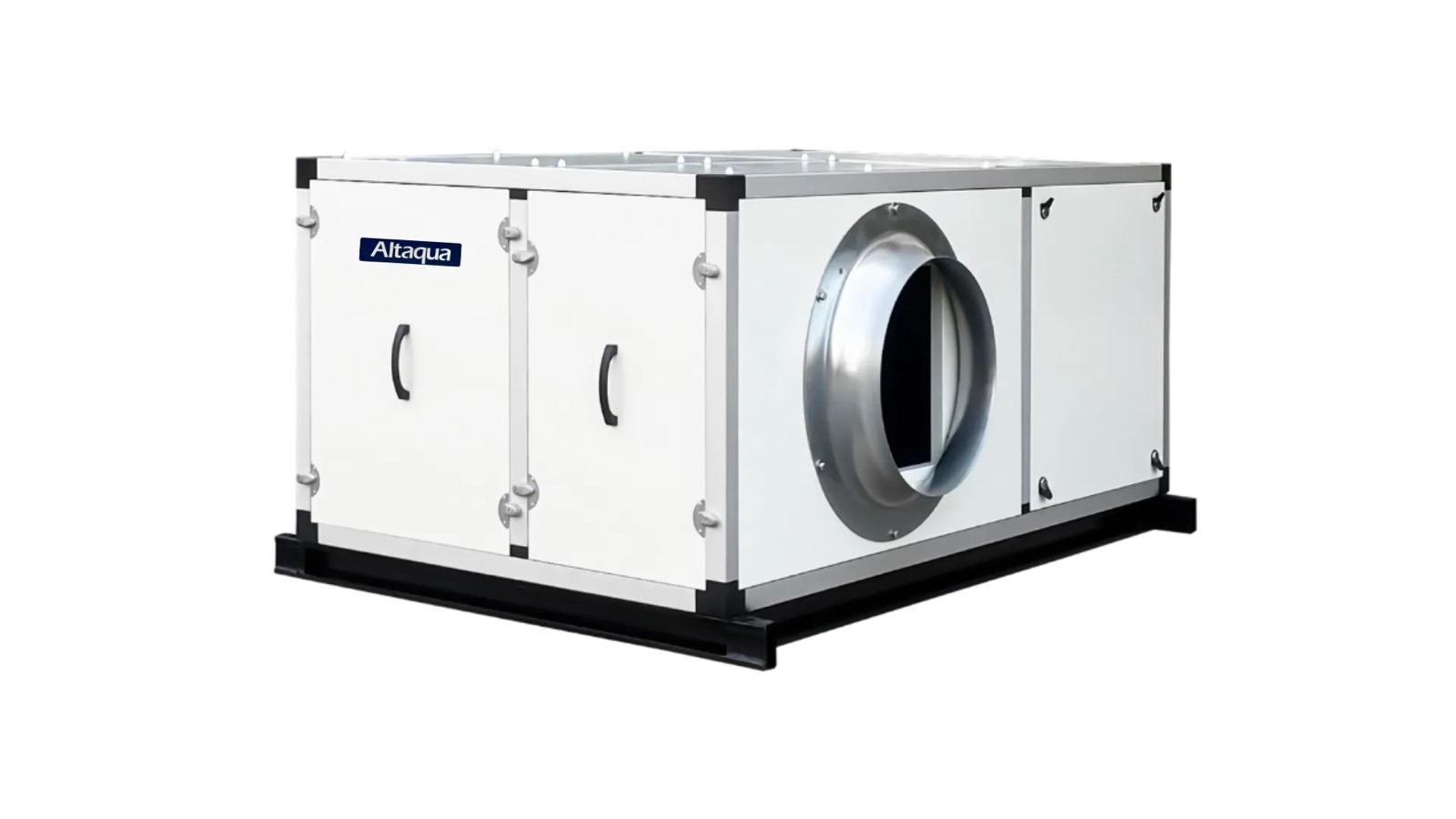
Most production equipment in a cultivation facility is the kind of property these rules were written for: cultivation lighting, HVACD and climate control, racking and benching and fertigation systems. How an item is classified still matters. A dehumidifier may be equipment, while a rooftop HVAC unit may be treated as an improvement to the building, which follows different rules. Your CPA should make that call item by item.
Where 280E changes the answer
Section 280E disallows deductions and credits for a business that consists of trafficking in Schedule I or II controlled substances. Section 179 expensing and bonus depreciation are deductions. For a business still under 280E, they are disallowed.
What can still come through cost of goods sold
Cost of goods sold is not a deduction. It reduces gross receipts before 280E applies. In Patients Mutual Assistance Collective Corp. v. Commissioner (the Harborside case, 151 T.C. 176 (2018), affirmed by the Ninth Circuit in 2021), the Tax Court held that a 280E business must calculate inventory costs under the older Section 471 rules and cannot use the broader Section 263A capitalization rules. Producers fall under the full-absorption regulations in §1.471-11, which include certain indirect production costs. IRS Chief Counsel memo 201504011 takes the same view.
Depreciation is where it gets narrow. In Lord v. Commissioner (T.C. Memo. 2022-14), the Tax Court refused to let two Colorado medical marijuana producers include depreciation computed under the Section 168 system, including bonus depreciation, in cost of goods sold. The cautious reading is that accelerated expensing does not survive 280E, whether it is taken as a deduction or moved into inventory. Whether any ordinary depreciation on production equipment can be carried into inventory, and on what method, is a question practitioners still argue about. Ask your CPA how they treat it and why.
Rescheduling: what is settled and what is not
After a December 2025 executive order, the Acting Attorney General signed a final order in April 2026, published in the Federal Register on April 28, 2026. It moved two categories to Schedule III: marijuana in FDA-approved drug products, and marijuana subject to a state medical marijuana license. Adult-use and unlicensed marijuana stayed in Schedule I.
On April 23, 2026, Treasury and the IRS said guidance is coming. It is expected to treat rescheduling as applying for the full taxable year that includes the order’s effective date — for a calendar-year business, all of 2026 — and only for activities that no longer involve Schedule I or II substances. Businesses with both medical and adult-use activity would apportion expenses. That was an announcement of planned guidance, and the mechanics had not been finalized when we last checked.
Two things remain open. First, petitioners have challenged the order in the D.C. Circuit; in September 2026 the court declined to block it while the case proceeds, but the case is not decided. Second, a separate DEA proceeding on moving all marijuana to Schedule III finished its hearing in July 2026 with no decision yet. For a medical-only licensee — Florida’s licensed market is medical — 2026 may be the first year Section 179 and bonus depreciation are actually usable. For an adult-use or mixed operator, assume 280E still applies to the adult-use side until your CPA tells you otherwise.
“Placed in service” is the real deadline
Under Treasury regulations and IRS Publication 946, property is placed in service when it is in a condition of readiness and availability for its specifically assigned function. A December purchase order does not meet that test, and neither does a paid invoice or a pallet of fixtures in a hallway. A light that is hung, wired, inspected where required and able to run meets it. It does not need a crop under it yet.
A hypothetical: suppose a calendar-year medical licensee orders $400,000 of fixtures and racking in early December. Electrical work slips and the system is first ready to operate on January 6, 2027. The whole purchase belongs to tax year 2027, whatever the invoice date. That is why a December 31 target needs a November order: lead times, electricians, utility work and inspections all sit between the order and a working room.
Questions to take to your CPA this month
- Is our business, or which part of it, still subject to 280E for 2026? Does our state license qualify as a medical license under the April order?
- If we are mixed medical and adult-use, how will expenses be apportioned under the guidance Treasury has announced?
- Section 179, bonus depreciation or regular depreciation? Section 179’s income limit and our state’s conformity rules may favor one over another.
- How should production-equipment depreciation be treated in inventory if 280E still applies?
- Does financing change the timing? Equipment bought with a loan can still be placed in service this year, but lease structures differ.
If cash timing is the obstacle, our equipment financing page and the earlier post on financing a cannabis equipment buildout cover the options. For incentives beyond depreciation, see tax credits and rebates, including the R&D tax credit and utility rebates. Rebates are next week’s topic.
Frequently asked questions
Can a cannabis cultivator take Section 179 on equipment in 2026?
Only if 280E does not apply to the activity the equipment serves. Medical licensees covered by the April 2026 order may qualify for 2026 under the transition rule Treasury has described. Adult-use activity remains Schedule I. This is not tax advice — confirm with a CPA who works with cannabis businesses.
What are the 2026 Section 179 and bonus depreciation figures?
$2,560,000 for tax years beginning in 2026, reduced dollar for dollar once qualifying property placed in service exceeds $4,090,000. (Rev. Proc. 2025-32). Bonus depreciation is 100% for qualifying property acquired after January 19, 2025.
If I pay for equipment in December, does it count for this year?
Not on its own. Depreciation and expensing start when equipment is placed in service, meaning installed and ready for its function. The payment date does not control.
Can depreciation go into cost of goods sold under 280E?
The Tax Court in Lord barred depreciation computed under Section 168, including bonus depreciation, from a 280E producer’s cost of goods sold. How much ordinary depreciation can be inventoried is contested. Treat it as a CPA question, not a planning assumption.
Sources
IRS, Rev. Proc. 2025-32 (2026 inflation adjustments, §4.24) · Grant Thornton, interim guidance on revived bonus depreciation (Notice 2026-11) · BDO, OBBBA 100% expensing · IRS Publication 946 · Treasury press release sb0471 (April 23, 2026) · Federal Register, 2026-08176 (April 28, 2026) · Gibson Dunn, medical marijuana to Schedule III · Morgan Lewis, post-hearing status (Sept. 2026) · IRS Chief Counsel Memorandum 201504011 · Lord v. Commissioner, T.C. Memo. 2022-14 (summary)
Planning a build or an upgrade?
Hydro Supply Co. supplies commercial cultivators nationwide — lighting, climate, irrigation, nutrients and post-harvest, from one source.
Request a Quote